
Safety first: These guides cover simple homeowner checks only. Stop and call a qualified technician for gas odors, burning smells, repeated breaker trips, refrigerant work, or equipment disassembly.
Modern Heat Pumps Can Operate in Cold Weather
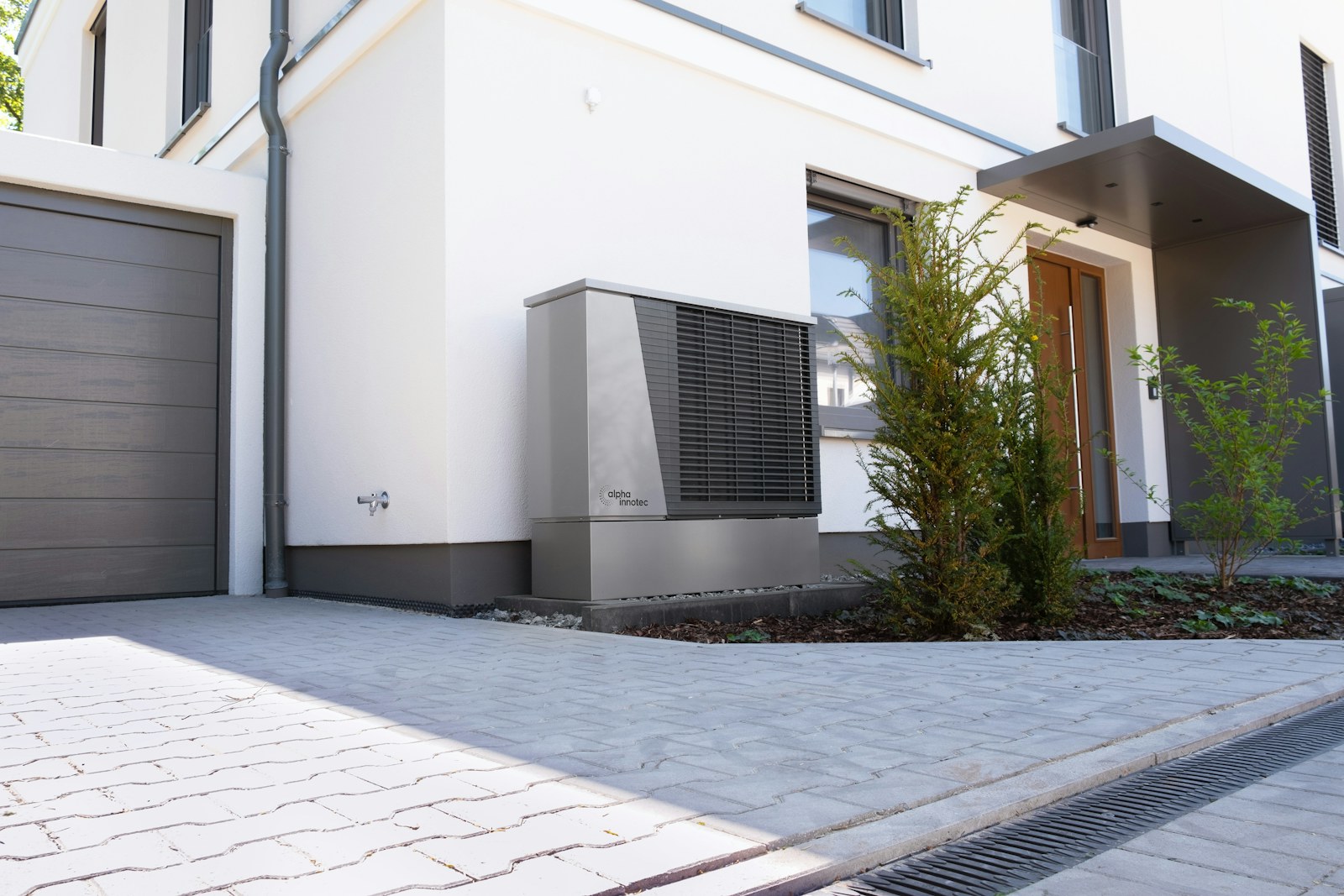
A heat pump moves heat rather than creating it by combustion. Cold-climate models are designed to keep operating at much lower outdoor temperatures than older equipment. Actual capacity and efficiency depend on the specific model and outdoor temperature.
Design for the Home and Climate
A good Utah design compares the home's heating load with the manufacturer's capacity data at local winter design temperatures. Some homes use a fully electric system; others pair a heat pump with electric resistance or a gas furnace for backup.
Expect Different Operation
Heat-pump supply air often feels warm rather than furnace-hot, and the system may run longer at a steadier output. Outdoor frost is normal at times; the unit should periodically enter a defrost cycle. Persistent heavy ice is not normal.
Questions to Ask Before Buying
Ask about rated cold-weather capacity, backup heat controls, electrical requirements, duct condition, thermostat compatibility, operating-cost assumptions, and available incentives. Compare complete installed systems rather than efficiency labels alone.
Common Questions
Frequently Asked Questions
Does a heat pump need backup heat in Utah?
It depends on the equipment, home heating load, location, and design. The installer should document how the system meets cold-weather demand.
Why does a heat pump run longer than a furnace?
Heat pumps often maintain comfort with longer, steadier cycles and lower supply-air temperatures.